
Product news, releases and industry insight.
What we’re shipping, what we’re seeing across the operators we work with, and the technical topics we keep coming back to.
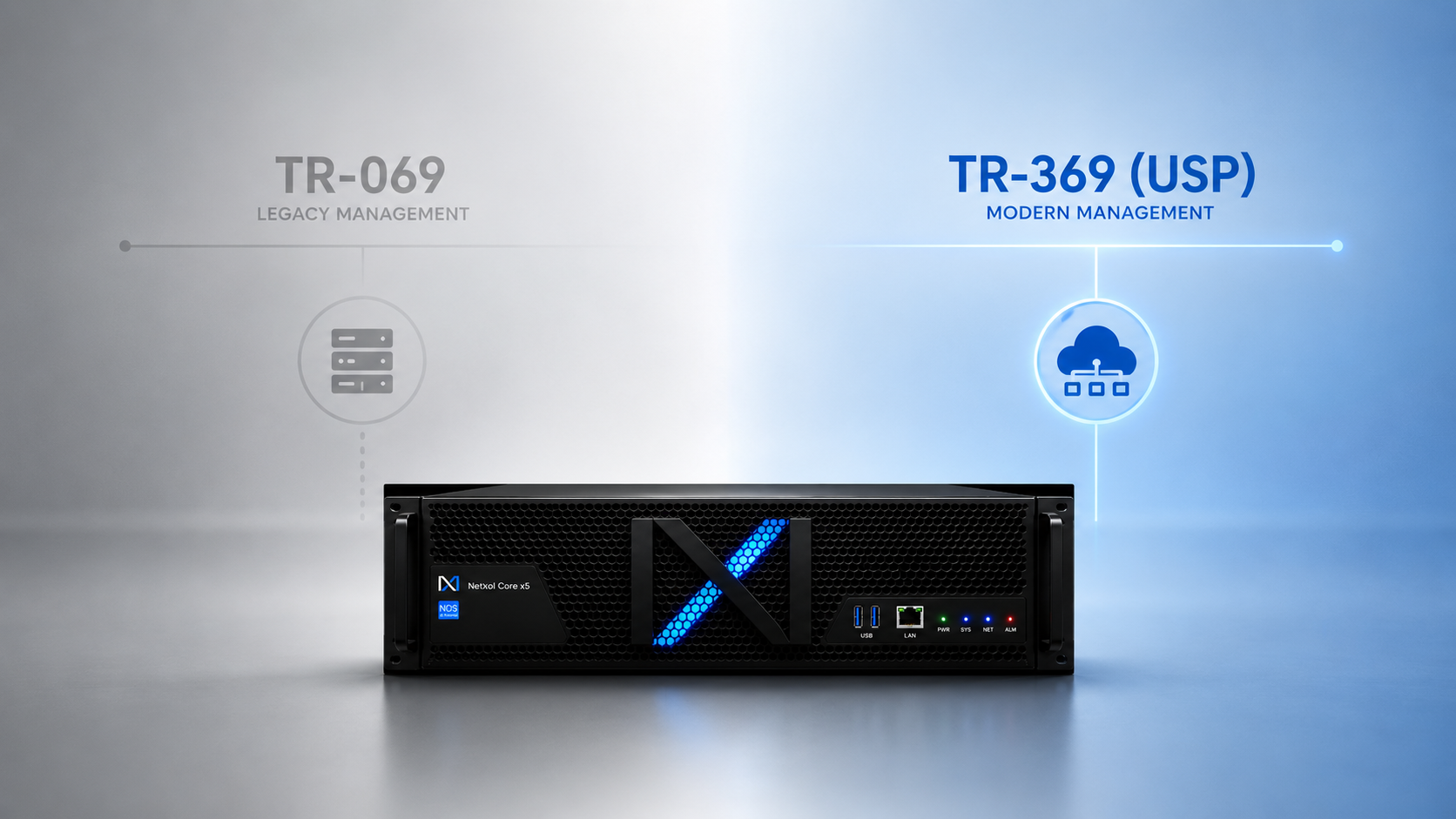
TR-069 vs TR-369 (USP) in 2026: a practical guide for FTTH operators
CWMP has run our CPE networks for fifteen years. USP is the modern successor. Here is what changes, what does not, and how to think about the migration today.
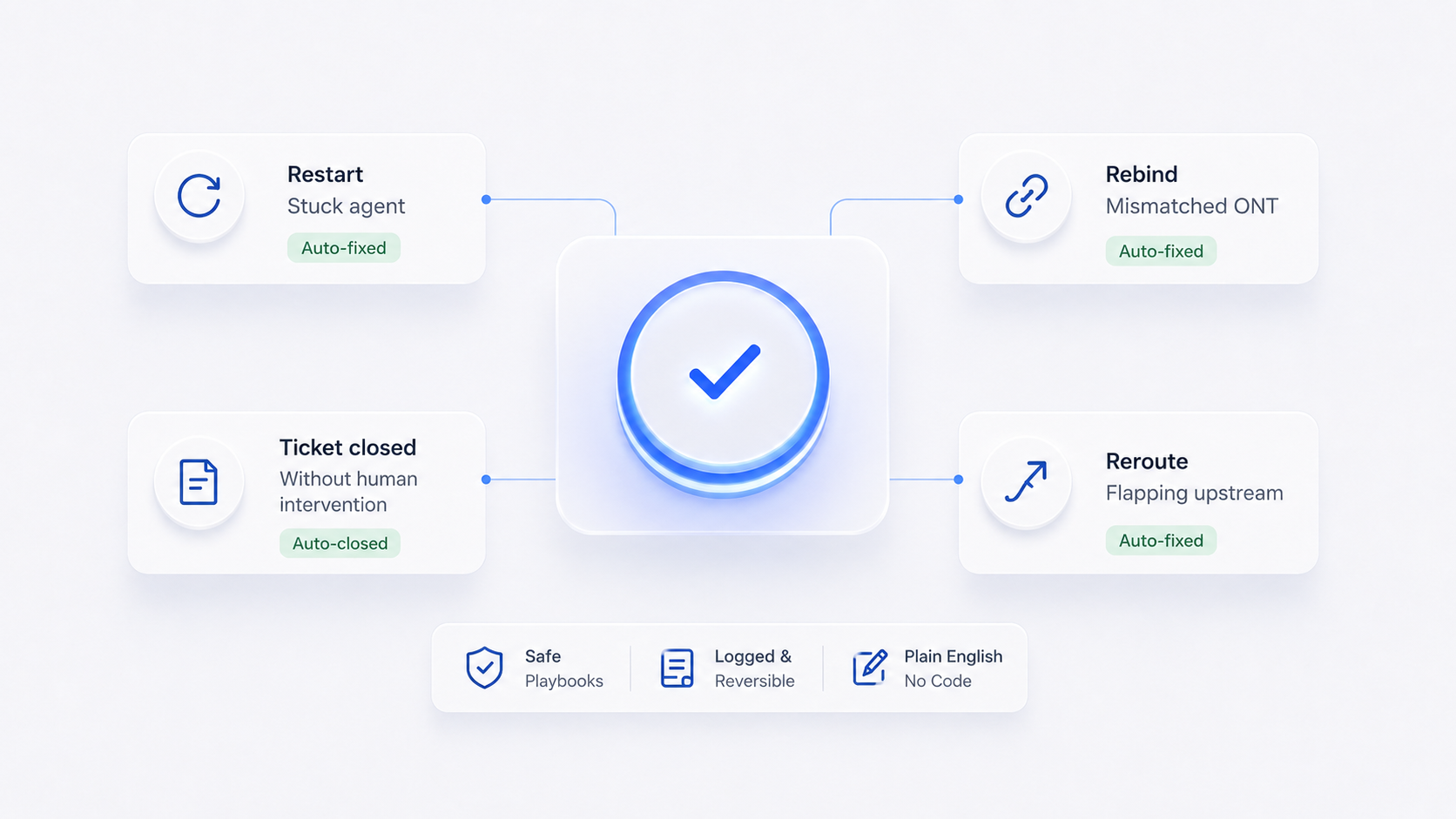
Automating root-cause analysis on a GPON network
When an ONU goes dark, the answer is usually in the optical power, the OLT port and the neighbours. Here is how AI backtraces it in seconds — and how to evaluate any RCA engine.
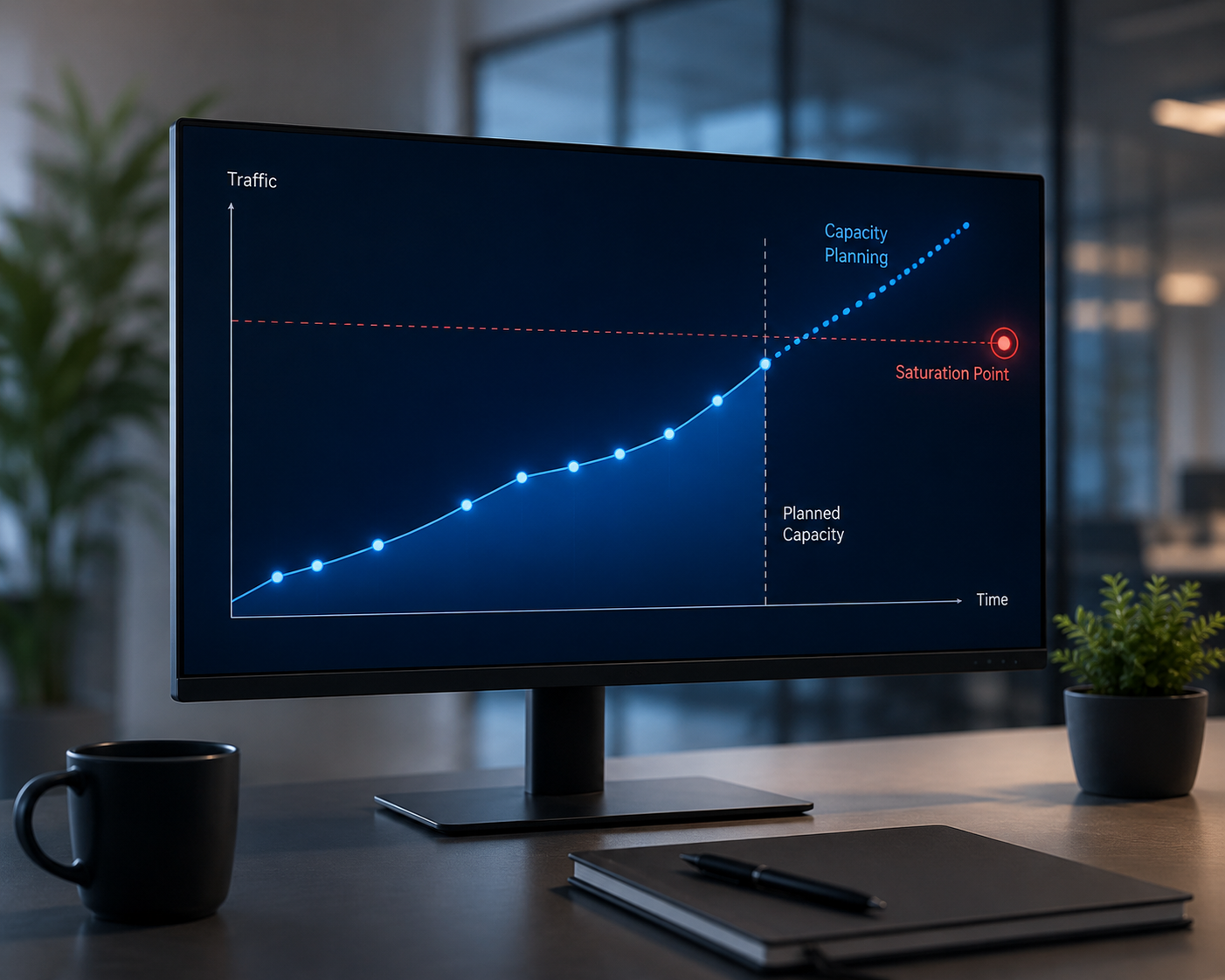
Plan capacity before saturation, not after
Month-on-month growth is predictable — if you measure it. AI capacity planning turns traffic trends into procurement decisions weeks before users feel the squeeze.
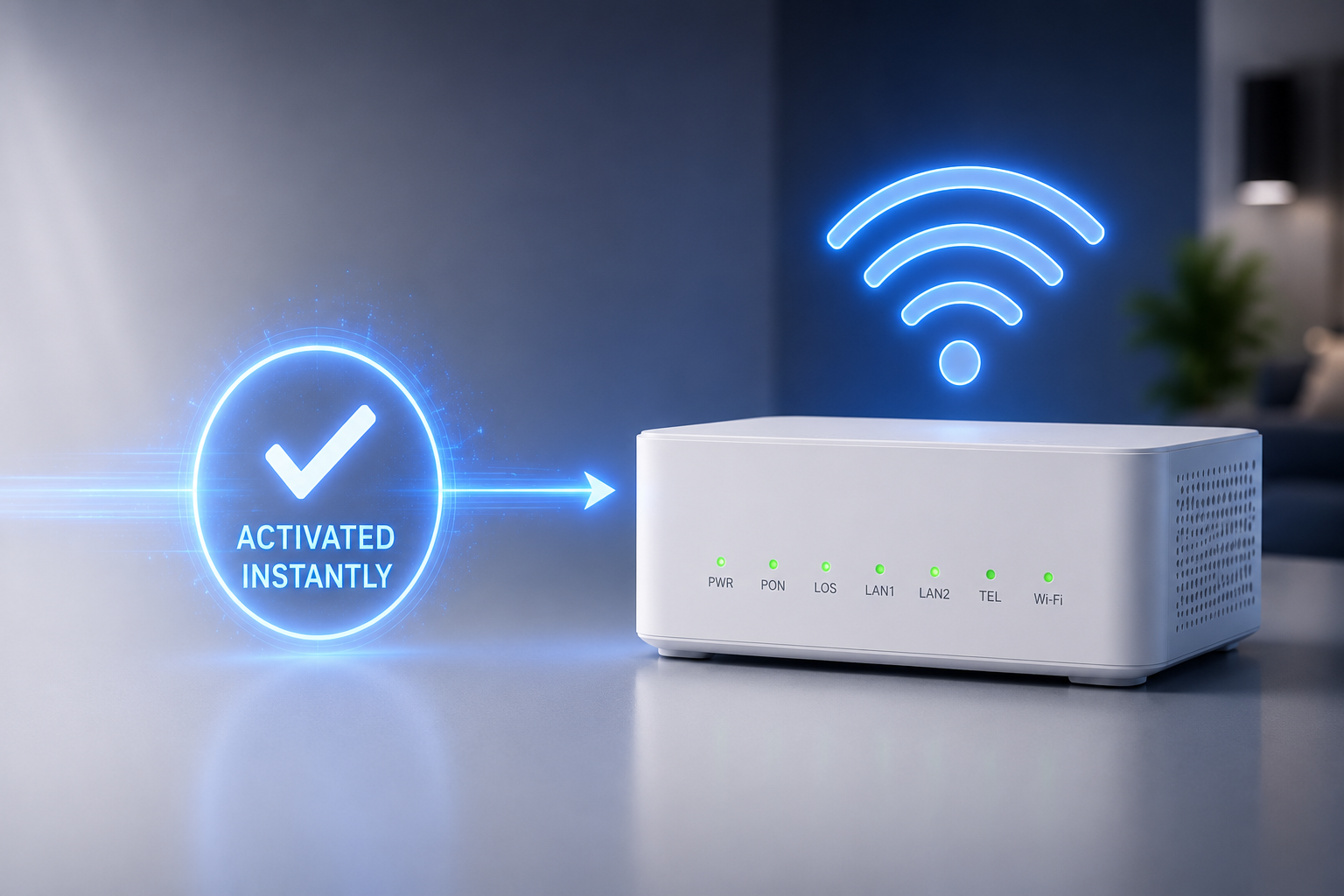
Zero-touch auto-provisioning: from box-arrival to live in 8 minutes
New-subscriber activation used to take days. Done right, modern auto-provisioning collapses it into a fully unattended workflow — here is the anatomy.
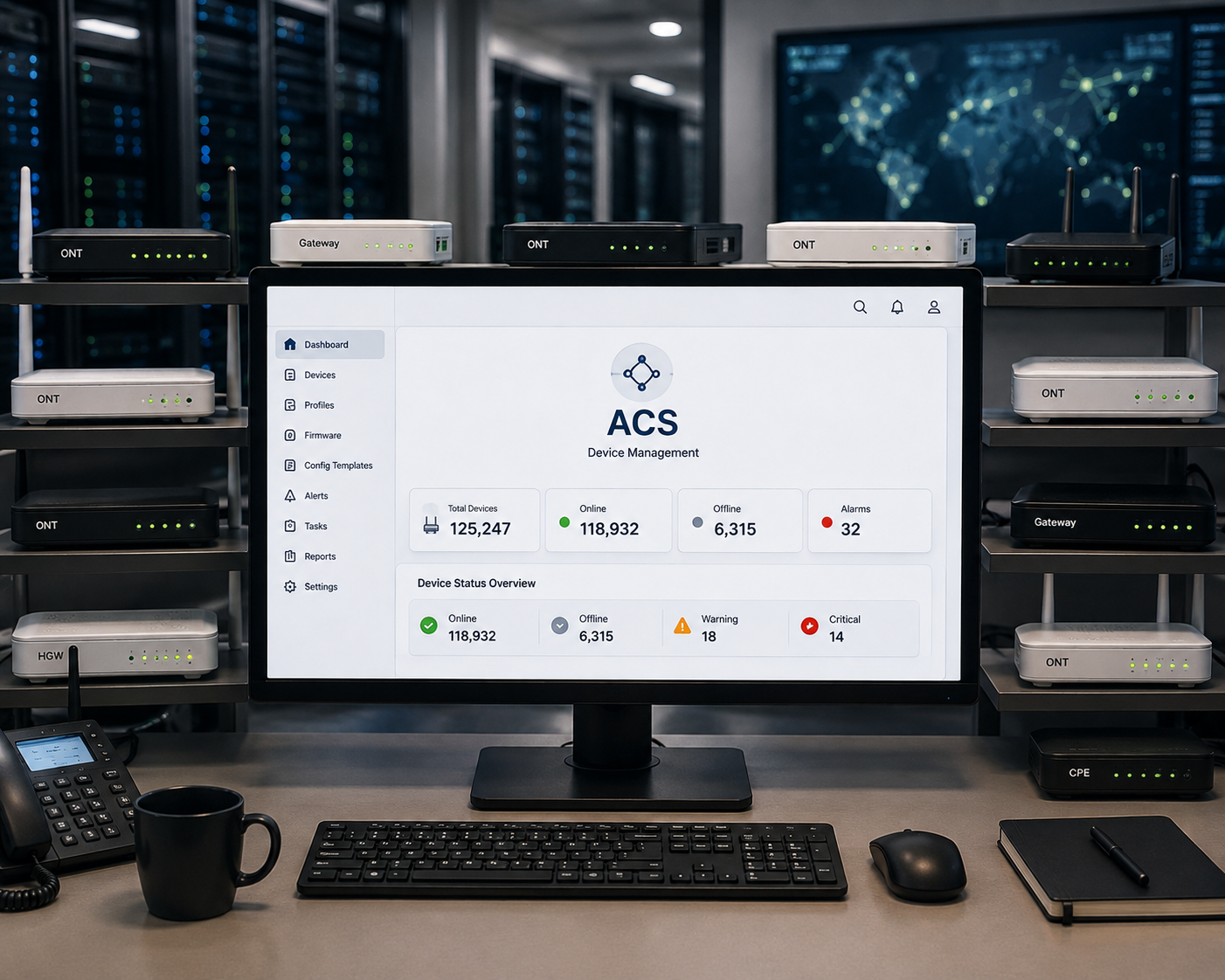
The ACS your network actually needs (a 2026 deep dive)
Most ACS deployments were built when 30,000 ONTs felt big. The protocols moved. The fleets moved. Here is what a modern ACS has to do — and how to tell.
AI in networking, 2026 — beyond the buzz: what works and what does not
Every networking vendor has an "AI" badge in 2026. Some of it is real. Some of it is repaint. Here is how to tell, and where AI genuinely changes the operating model.
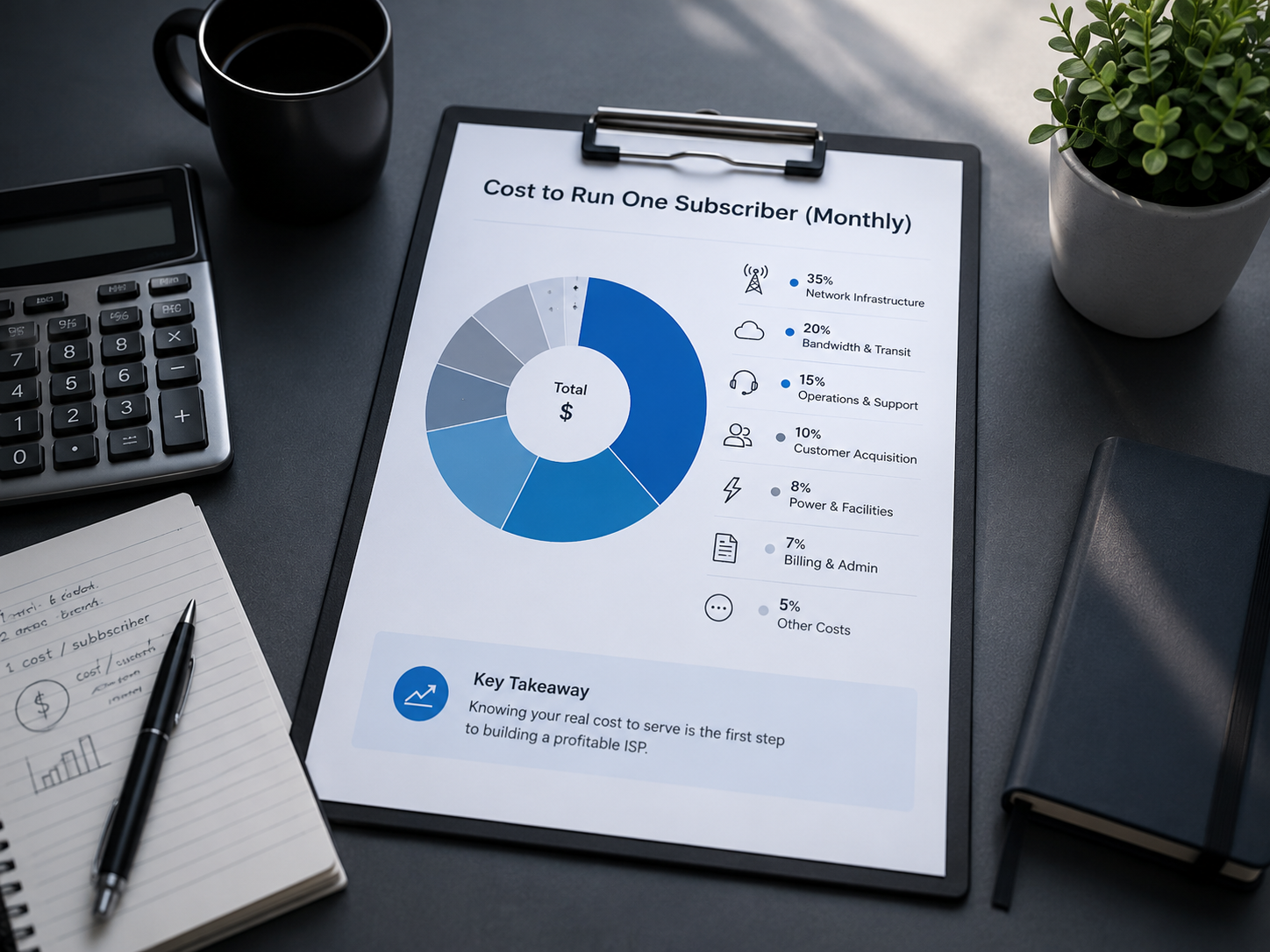
The OpEx anatomy of an FTTH ISP — where your money actually goes
Most ISPs cannot answer "what does it cost to run one subscriber for a month?" without arguing. This is the breakdown we keep arriving at — and where the savings live.
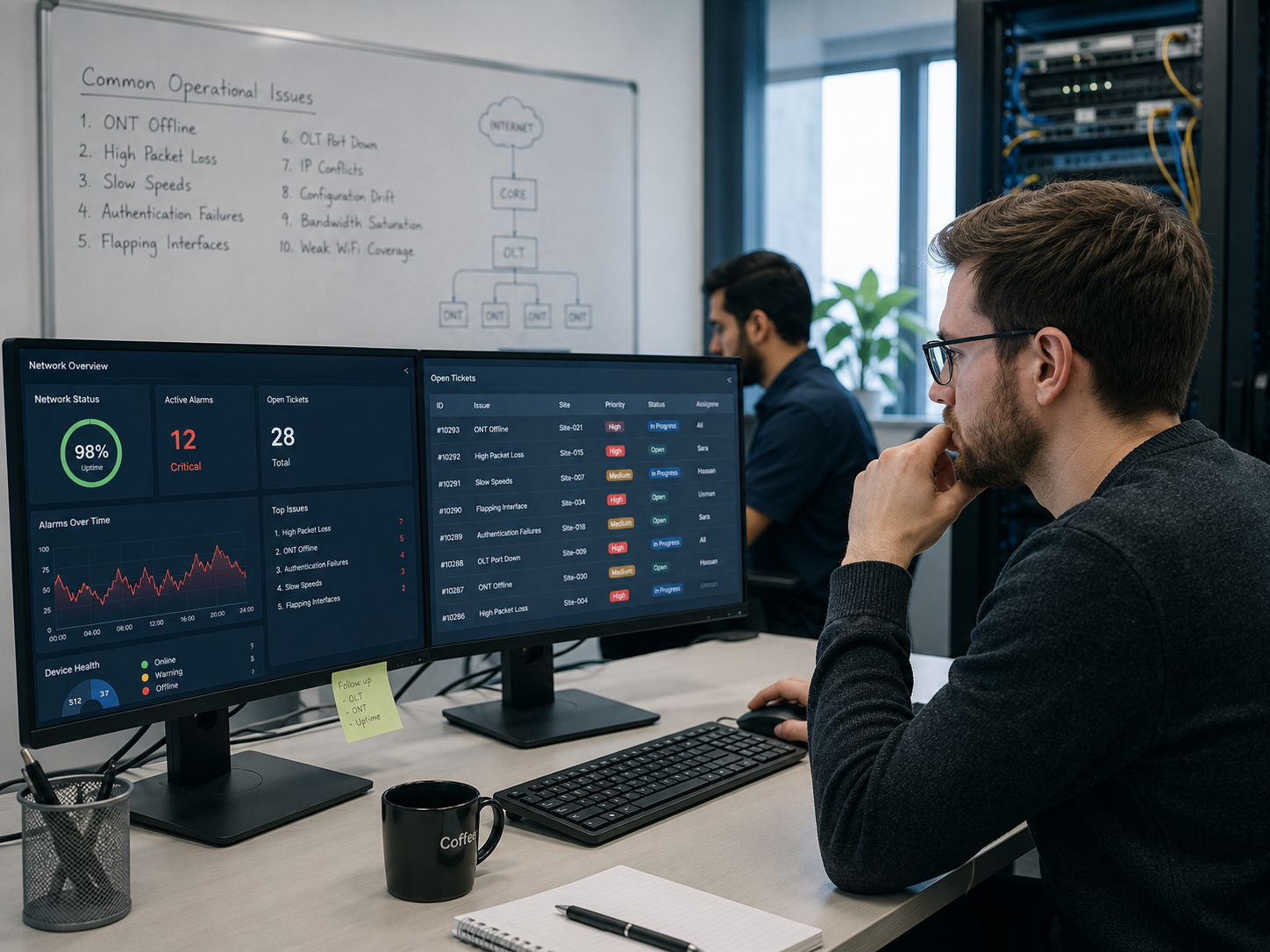
10 operational issues we keep finding inside FTTH ISPs
A field-tested list of the issues we walk into on day one of almost every deployment — and the patterns to fix them.
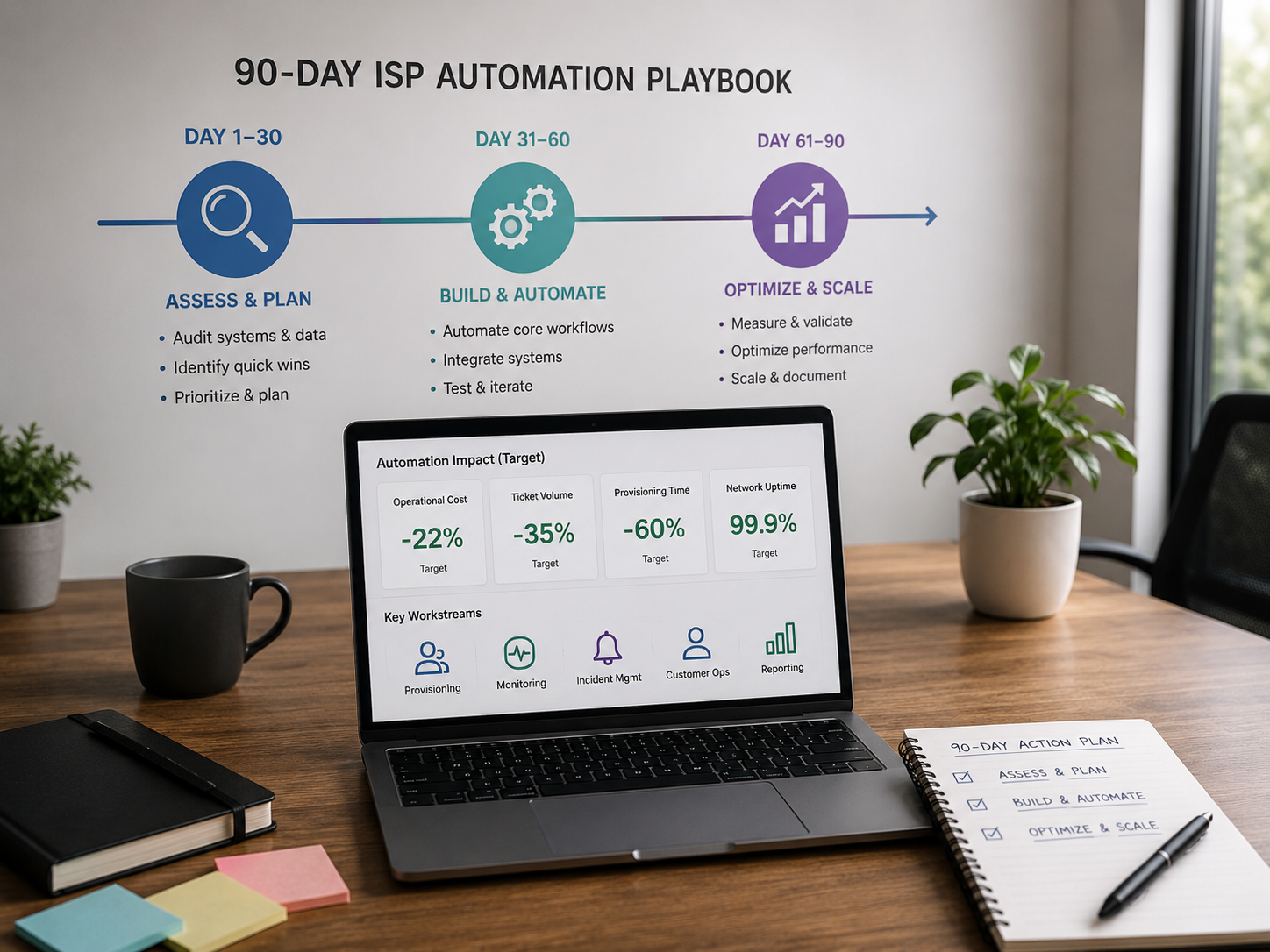
ISP automation done right: a 90-day playbook
If you have 90 days to make a visible dent in operational cost and reliability, here is the sequence we would run — and why.